Used Pallets in TorontoBuy, Sell and Recycle Through Partner Suppliers
Tell us what you need to buy or sell. We match requests from Toronto and the GTA with partner suppliers in our network, and pricing is by quote from those suppliers.
Free, No-Obligation Quote Request
Tell us what you need to buy, sell or recycle in Toronto and the GTA. Your request goes to a partner supplier in our network, who follows up with pricing and availability.
Request a Quote Today
Pallets in Toronto and the GTA
What you can ask for through our network of partner suppliers
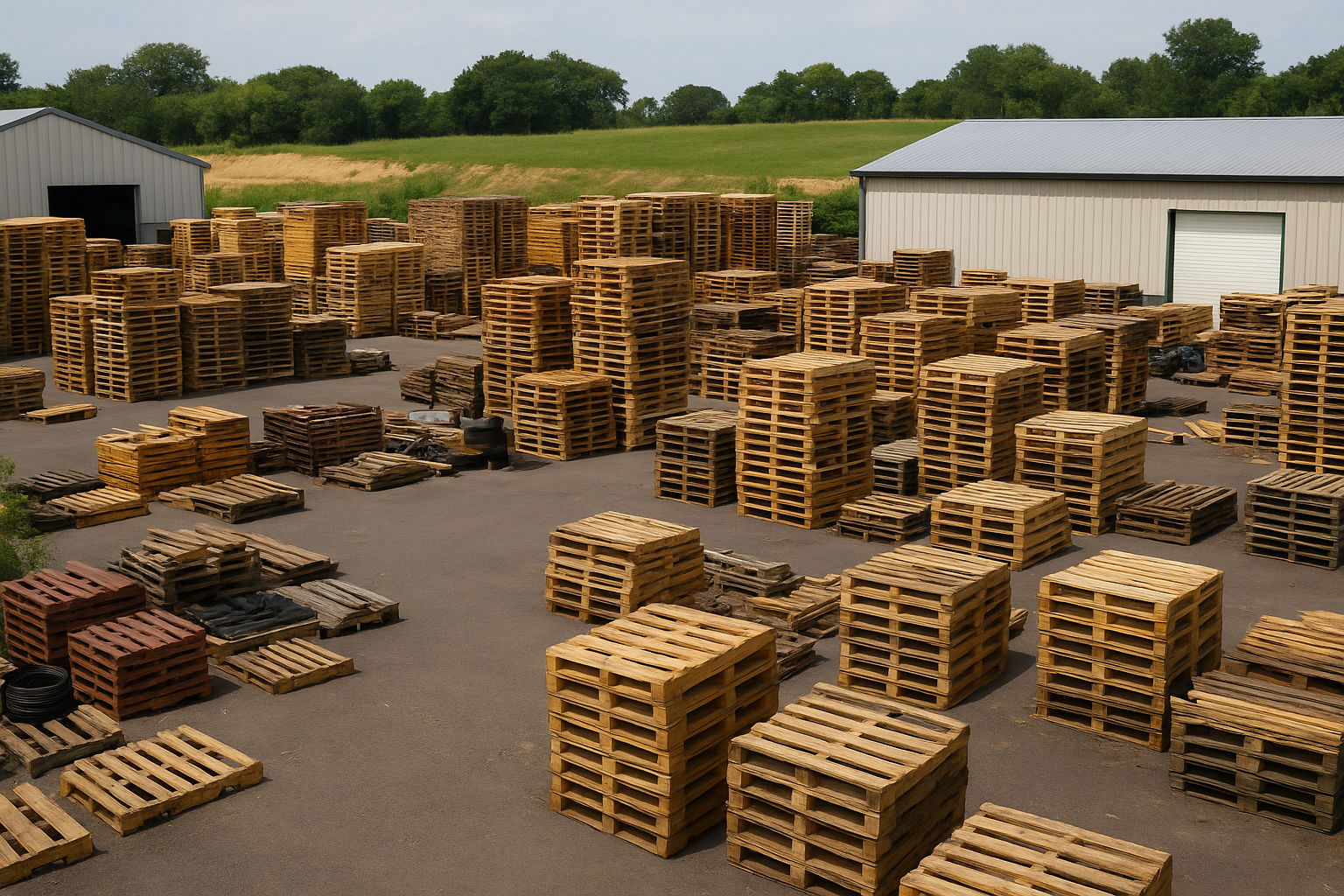
Used Pallets
Common sizes and grades, subject to partner supplier availability
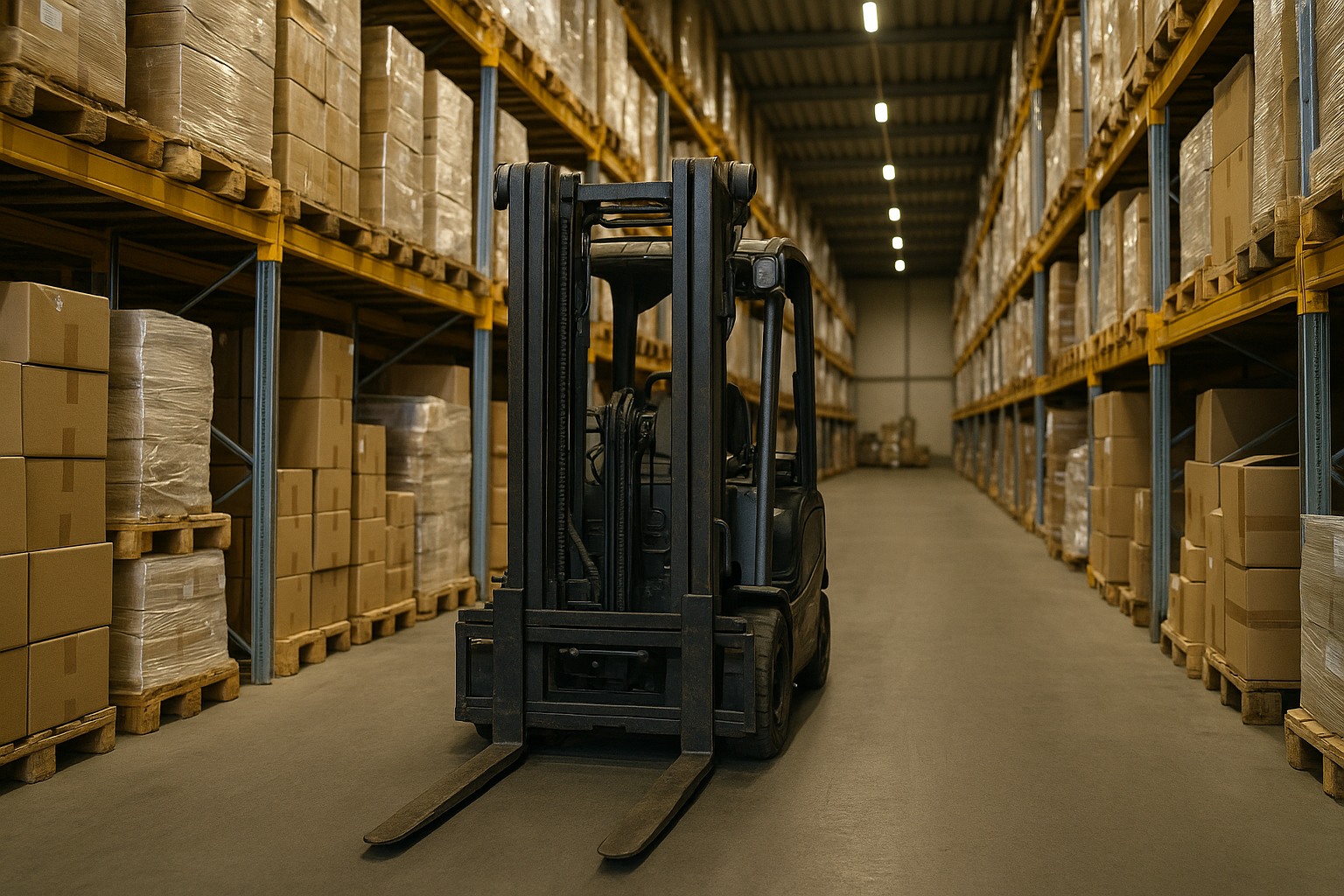
Pallet Repair
Available where partner suppliers offer it
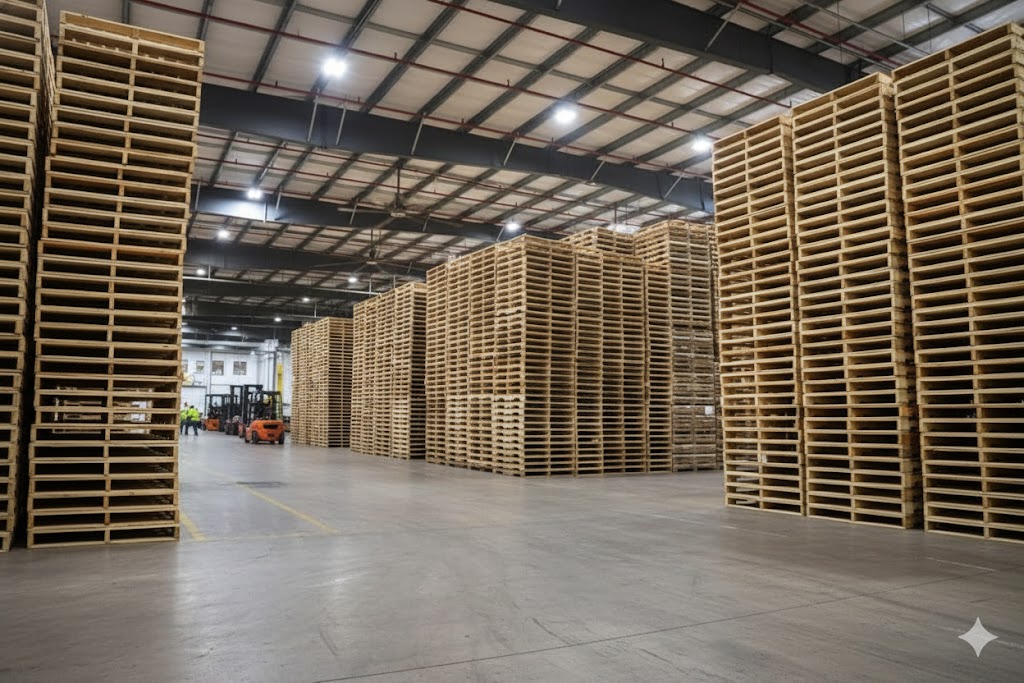
Pallet Recycling
Reusing a pallet avoids building a new one, and worn pallets can be recycled
Our Services
Buy Pallets
Request pallets by grade and size, and a partner supplier follows up with a quote.
Sell Pallets
Tell us what you have. We pass your request to a local supplier in our network that may buy or pick up used pallets.
Pallet Repair
Repair can keep a pallet in service longer. Available where partner suppliers offer it.
Recycling
Ask about recycling worn or broken pallets through a partner supplier.
How Toronto Pallets Helps
One Simple Request
Describe your pallets once on a free, no-obligation quote request form.
Matched With a Partner
We match your request with a partner supplier in Toronto or the GTA, and that supplier follows up.
Grades Explained
Plain descriptions of common pallet grades help you ask for what you need.
Reuse Before New
Reusing a pallet avoids building a new one, and repair or recycling may be options for worn stock.
Pricing by Quote
Pricing is by quote from partner suppliers, based on your grade, size, quantity and location.
Custom Pallets
Custom sizes can be requested where partner suppliers offer them.
Pallet Basics for Toronto and GTA Buyers
Toronto Pallets is a referral service for pallet buyers and sellers across Toronto and the GTA. We take your request and match it with a partner supplier, who handles the pallets and the quote. The guides below explain the terms you are likely to see, so you can describe what you need.
Understanding Pallet Grades
Grades describe the condition of a used pallet. Grade A pallets are in the cleanest condition, with few or no visible repairs. Grade B pallets show more wear and may have repaired boards, and they are a common choice for warehousing and general shipping. Grade C pallets show the most wear and tend to suit one-way trips or internal use where appearance matters less.
Grading usually looks at the condition of the deck boards, the stringers or blocks, and the overall structure. Exact definitions can vary from one supplier to another, so confirm what a grade means with the partner supplier before you order.
Learn About Grading →Reuse, Repair and Recycling
Pallets are well suited to reuse. Reusing a pallet avoids building a new one, and replacing a broken board can keep a pallet in service. Pallets past repair can often be recycled, for example by chipping the wood for uses such as mulch.
What happens to a given load depends on its condition and on the partner supplier. If you have pallets to clear, tell us the quantity and condition on the request form, and a partner supplier follows up with the options available.
Explore Sustainability →Choosing the Right Pallet Size
The 48x40 inch GMA pallet is the standard size used widely in grocery and general shipping, and it fits most racking and handling equipment designed around that footprint. If your freight or racking calls for it, other sizes are worth asking about.
1200 x 1000 mm and 1200 x 800 mm are common metric sizes. Consider your warehouse layout, shipping method and product dimensions when you pick a size. Custom sizes can be requested where partner suppliers offer them.
View Size Chart →ISPM 15 Explained
ISPM 15 is the international standard for wood packaging used in cross-border trade. Its heat treatment schedule raises the wood core to 56 °C for at least 30 minutes, which is aimed at pests in the wood.
Compliant pallets carry a stamp showing the treatment (HT for heat treated), a country code and a producer registration number. If you need stamped pallets, say so on your request and confirm the stamp with the partner supplier.
Explore Pallet Types →Pallet Repair vs. Replacement
Common repairs include replacing broken deck boards, reinforcing damaged stringers and adding support blocks. Whether repair makes sense depends on the damage and on the cost of a replacement pallet in the grade you need.
Repair is available where partner suppliers offer it. Describe the pallets and the damage on your request, and a partner supplier can tell you whether repair or replacement looks more practical.
Repair Services →Pallets and Warehouse Handling
Block pallets usually allow 4-way forklift entry, while stringer pallets are often 2-way or partial 4-way. The right choice depends on how your aisles and equipment are set up.
Consistent pallet sizes make racking and inventory simpler. If you are unsure which style suits your warehouse, describe your setup on the request form and raise it with the partner supplier that follows up.
Request a Quote →Pallet Knowledge Base
A Plain Guide to Industrial Pallets
Why Pallets Are Used
A pallet turns many boxes into one unit load that a forklift or pallet jack can move at once. That is simpler than handling goods piece by piece at a loading dock.
Standard sizes matter for the same reason. When pallets, racking and trucks are planned around the same footprint, loads are easier to store and move. The 48x40 inch GMA pallet is the size most people mean when they ask for a standard pallet.
Construction and Materials
Wood pallets use either hardwood or softwood. Deck boards carry the load, while stringers or blocks form the base and make room for forklift entry. Stringer pallets use lengthwise boards, and block pallets use blocks at the corners and between them.
Fastening varies by maker, and fasteners affect how easily a pallet can be repaired. Plastic pallets are usually made from HDPE or polypropylene, and metal pallets are used for specialized applications. Availability depends on partner suppliers.
Load Capacity
Three terms come up when people discuss capacity. Static load means weight on a pallet sitting on a flat surface. Dynamic load means weight while the pallet is being moved. Racking load means weight while the pallet sits on racking beams, with less support underneath.
Capacity varies with design, material and condition, so confirm it with the supplier for the pallets you are buying. Distribute weight evenly, and check current regulations for your Ontario workplace.
Environmental Considerations
Reusing a pallet avoids building a new one, and repairing a pallet can keep the rest of its wood in service. When a pallet cannot be repaired, its wood can often be recycled into other materials.
Wood and plastic pallets each have trade-offs, and the comparison depends on how they are used and how many trips they make. If reuse matters to you, say so on your request and a partner supplier can discuss what is available.
Standards and Compliance
ISPM 15 covers wood packaging in cross-border trade. Heat treated pallets reach 56 °C at the wood core for at least 30 minutes and carry an HT stamp. Confirm the stamp with the supplier if your shipment needs it.
GMA refers to the 48x40 inch pallet format widely used in grocery distribution. Workplace handling rules are set by regulators, so for Ontario, check current regulations rather than relying on a general guide like this one.
Ways to Manage Pallet Costs
Mixed-grade buying is a simple approach: reserve Grade A for customer-facing uses, use Grade B for general warehousing, and use Grade C for internal or one-way needs. Include your full quantity in your request, so partner suppliers can quote the whole job.
Repair, where partner suppliers offer it, can delay replacing pallets. Matching size to your product helps you avoid paying for space you do not use. Purchase price is only one part of the cost: handling, storage, repair and disposal count too. Pricing is by quote from partner suppliers.
Trends to Watch
Tracking tags and sensors can be attached to pallets to follow location and handling. Automated warehouses tend to need pallets with consistent dimensions and condition, because automated equipment is less forgiving than a forklift driver.
Alternative materials such as recycled plastic composites and engineered wood are also on the market. These are general industry developments, not services arranged through this site.
Ready to Get Started?
Send a free, no-obligation quote request and a partner supplier follows up